
Head of Laboratory
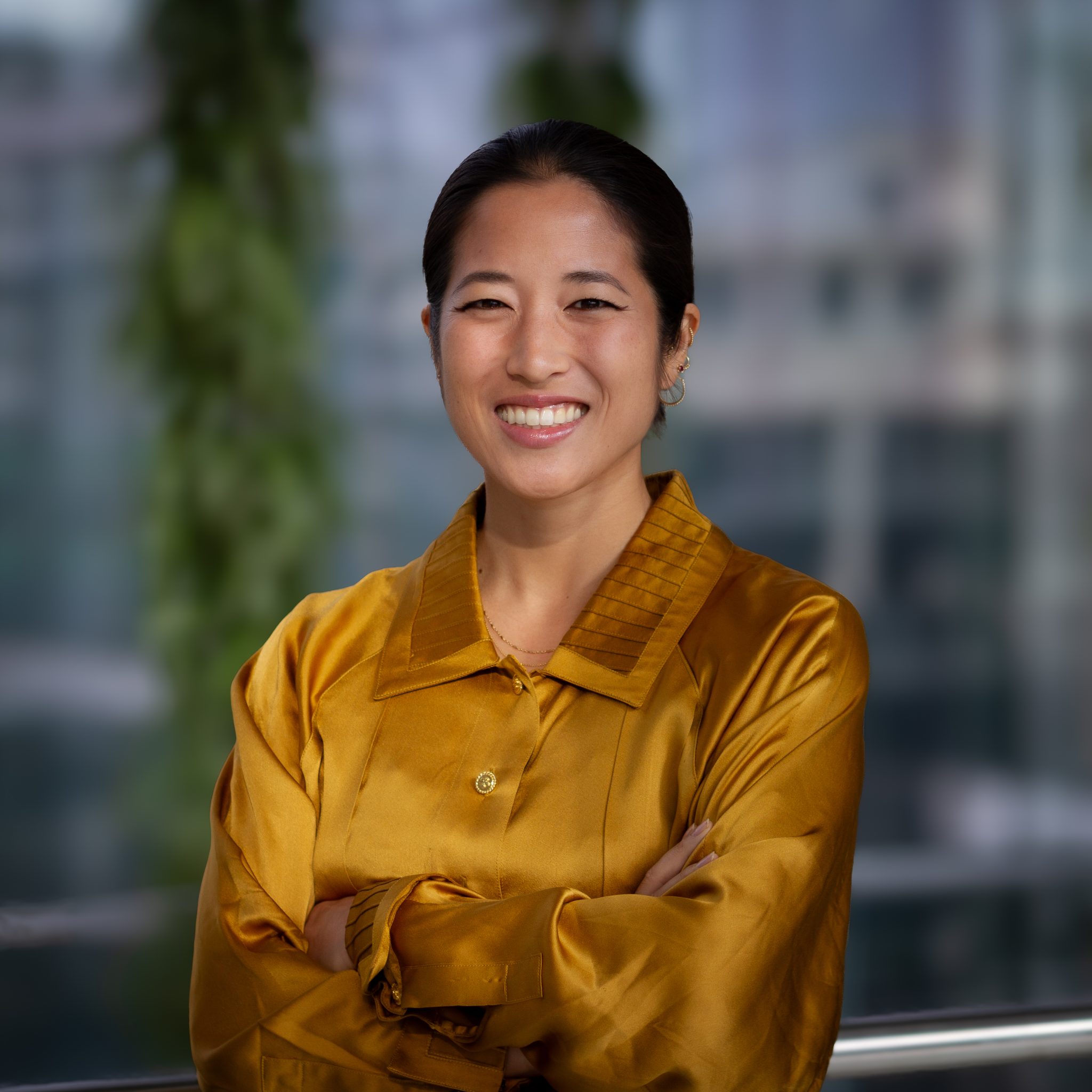
Prof. Nako Nakatsuka
Nako is a tenure track assistant professor at the Neuro-X Institute at EPFL. She was raised in Tokyo, Japan and moved to the U.S.A. for her Bachelor’s in Chemistry at Fordham University (Bronx, NY) and pursued her Ph.D. at UCLA (Los Angeles, CA). Upon receiving the prestigious ETH Zürich postdoctoral fellowship, she moved to Zürich, Switzerland and after her postdoc, remained as a senior scientist at the Laboratory of Biosensors and Bioelectronics. She led a team focused on interfacing DNA-based receptors called aptamers with nanoscale electronic biosensors to detect small molecules such as neurotransmitters. For this work, she was named an MIT Under 35 Pioneer in 2021, received the iCanX Young Scientist award in 2022, and the ACS Nano Lectureship award and Prix Zonta in 2023. She has mentored over 40 B.S., M.S., and Ph.D. students at the ETH Zürich.
Prof. Nakatsuka is also passionate about social justice, outreach, and education. She was awarded the Norma Stoddart Prize for Academic Excellence and Outstanding Citizenship in for her contributions in community outreach in Los Angeles combined with her scientific achievements. She also received the Hanson-Dow Excellence in Teaching Award for her exceptional teaching and dedication to students during her Ph.D at UCLA. She was an active member of the Diversity Team at ETH and contributed to initiatives that raised awareness and sparked discussions about anti-discrimination within Switzerland. She has also illustrated a children’s chemistry book: “A is for Atom: ABCs for Aspiring Chemists”.
Administrative Assistant

Jessica Empain
Jessica studied German languages and literature at the University of Liège, and photography at SisA in Antwerp, Belgium. She traveled and worked throughout Europe both as an admin assistant and a French teacher for about 20 years, enjoying discovering new places, people, languages, and mentalities.
Jessica landed in Geneva in 2019, where she now works partially as a French teacher and as an admin assistant in EPFL.
At EPFL, she feels incredibly lucky to work in a multicultural environment, surrounded with good hearted/minded people. She likes that the word “assistant” takes its full meaning and is not only related to administration.
Postdoctoral Fellow

Dr. Emily Schafer
Emily is a postdoctoral fellow in the CHEMINA lab originally from the United States (Grand Rapids, MI). She received her Bachelor’s degree in Biomedical Engineering & Neuroscience in 2018 from Vanderbilt University (Nashville, TN) where her interest in research began, helping to build organ-on-chip devices for studying breast cancer metastasis to the brain. She then earned her Master’s and Ph.D. degrees from Northwestern University (Evanston, IL) in 2022 and 2024, respectively, in the Laboratory for Organic & Hybrid Bioelectronics under the supervision of Prof. Jonathan Rivnay. During her Ph.D., her research combined advances from the fields of bioelectronics and synthetic biology to develop sensors to measure ions and neurotransmitters. Emily received the prestigious Neuro-X Postdoctoral Fellowship from EPFL for a collaborative project with the Laboratory for Soft Bioelectronic Interfaces (LSBI) that aims to create aptamer-integrated flexible electronics for dual chemical and electrical sensing.
Outside of the lab, Emily has long held passions for education, science communication, and science policy. She is a strong advocate for building scientific literacy amongst non-scientists and her favorite experiences doing this have included hosting a science podcast, giving science talks at local senior homes, and even teaching the “magic” of science at Comic-Con. She credits the influence of organizations like the Science Policy Outreach Taskforce (SPOT) at Northwestern University and the National Science Policy Network (NSPN) in helping her build these passions and hopes to have a career as a scientist that makes science more impactful and accessible. Additionally, she serves on the Board of Directors of the USA non-profit Engineers and Scientists Acting Locally (ESAL).
Doctoral Candidates

Annina Stuber
Annina is pursuing her PhD between the Laboratory of Biosensors and Bioelectronics (LBB) at ETH Zürich and the CHEMINA Lab at EPFL. She was born in Zürich but was raised in the U.S.A. She moved back to Switzerland at the age of 14 and completed her schooling in Lausanne. Annina did her bachelor’s in Life Science Technologies and then her master’s in Life Science Engineering, both at EPFL. She did one year of internships in different start-ups in the Netherlands, and did her master’s thesis at LBB, where she then continued with her PhD, working on aptamer-based neurotransmitter sensing. Her current projects focus on creating chemical sensors capable of measuring neurotransmitters, which could be deployed for diagnosis or monitoring of various neurodegenerative diseases.
Throughout her university studies, she was very active in different student associations and extracurricular activities. She played the cello in different orchestras, as well as being involved in a student association called “Ingénieurs du monde” (Engineers of the world). In this association, she was responsible for creating internships in low-income and economically developing countries (both in university settings or companies) for engineering students from various fields, studying at EPFL.
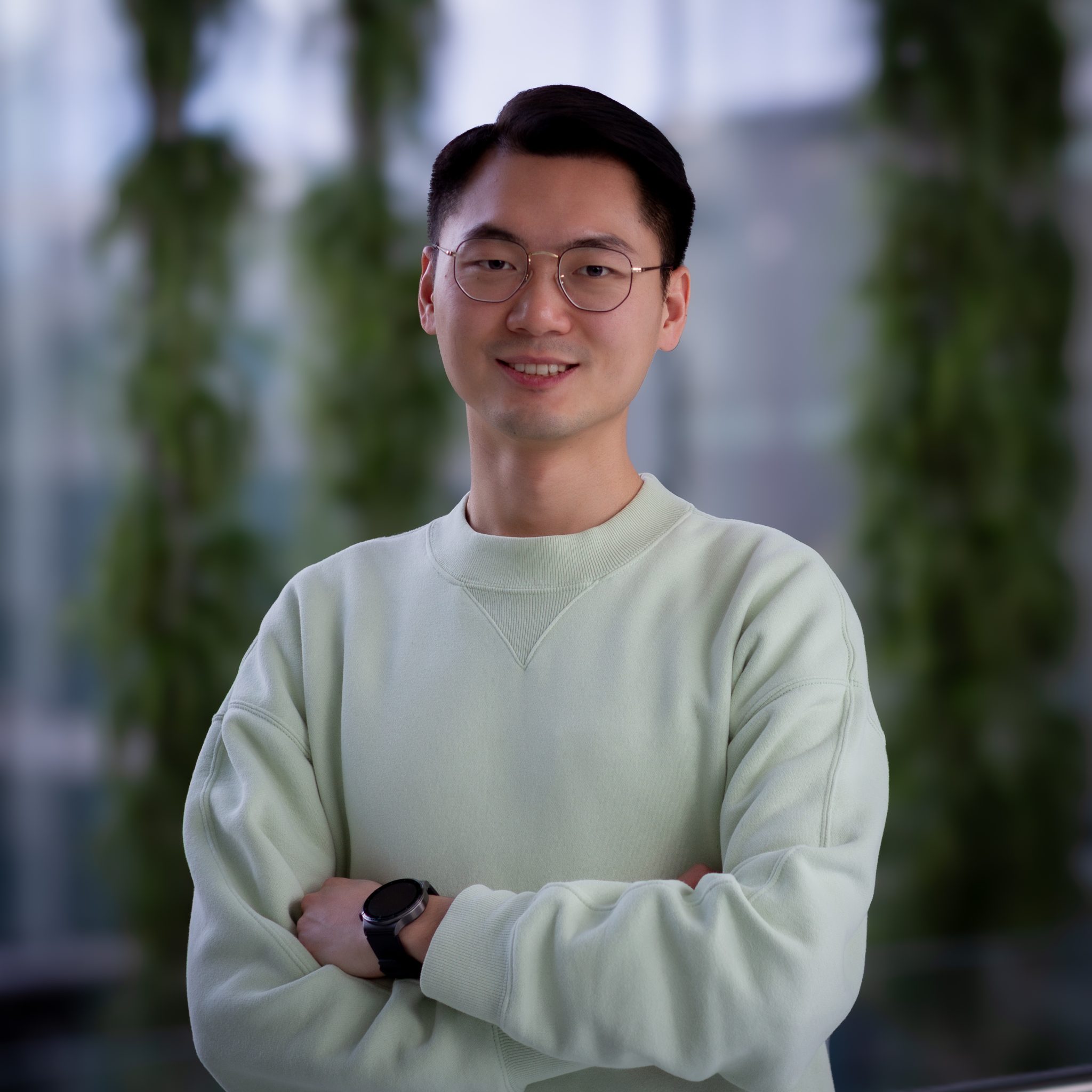
Lianxin Xu
With a passion for translating scientific breakthroughs into real-world benefits for the patients, Lianxin joined the CHEMINA Lab as a PhD student in April 2024. He will work on the development of novel nanoscale biosensors for the real-time monitoring of neurotransmitters. Hailing from China, he pursued his bachelor’s degree in Chemical Engineering from the cooperation program between East China University of Science and Technology and TU Clausthal in Germany and continued his master’s program in Chemical Engineering at Technical University of Munich (TUM). At TUM, he completed his master’s thesis in the Chair of Bioseparation Engineering, focusing on the application of nanoparticles in magnetic bioseparation. Besides that, he completed an industrial internship at Roche Basel and a research internship at NSEL, ETH Zürich. In his free time, Lianxin delights in exploring various sports, experimenting with diverse recipes, and immersing himself in the wonders of nature.

Sandra Hernández Escobar
Sandra is currently pursuing her PhD at the CHEMINA lab at EPFL. Originally from Madrid, she studied Materials Science Engineering, which sparked her curiosity for biomaterials and motivated her to pursue the Life Sciences Engineering Master at EPFL. Throughout her time at EPFL, she has taken on teaching roles and developed an interest in neuro applications.
Sandra is passionate about advancing medical devices towards the clinics. Beyond academics, she is an sports enthusiast, often spending her weekends climbing or trail running in the mountains.

Alexandra Banbanaste
Alexandra is a PhD candidate at the CHEMINA Laboratory, originally from Lyon. She completed her undergraduate studies at CPE Lyon School of Chemical Engineering. In between her studies, she worked for a year at Origenis GmbH, a pharmaceutical company in Munich, where she synthesized and characterized novel small kinase inhibitors. She then undertook a three-month summer internship at the Laboratory of Macromolecular and Organic Materials (LMOM) at EPFL, studying a type of nucleating agent that helps increase the crystallization rate in polymer blends. She continued at EPFL for her semester exchange, followed by her Master’s thesis at the Laboratory for Biomolecular Modeling (LBM), where she used a deep learning model to generate new protein sequences and subsequently test their stability, thermostability, and structural behavior using X-Ray crystallography. Her current project focuses on developing a chemical biosensor to better understand neurotransmitter interplay in Parkinson’s disease.
To bridge her passions for science and art, Alexandra also engages in scientific illustration to help scientists better communicate their research. She offers services creating cover papers, 2D and 3D visuals, figure abstracts, and website illustrations (Check out her portfolio: https://alexandrabanbanaste.com). Alexandra is also an avid tennis player, climber, and runner in her free time!
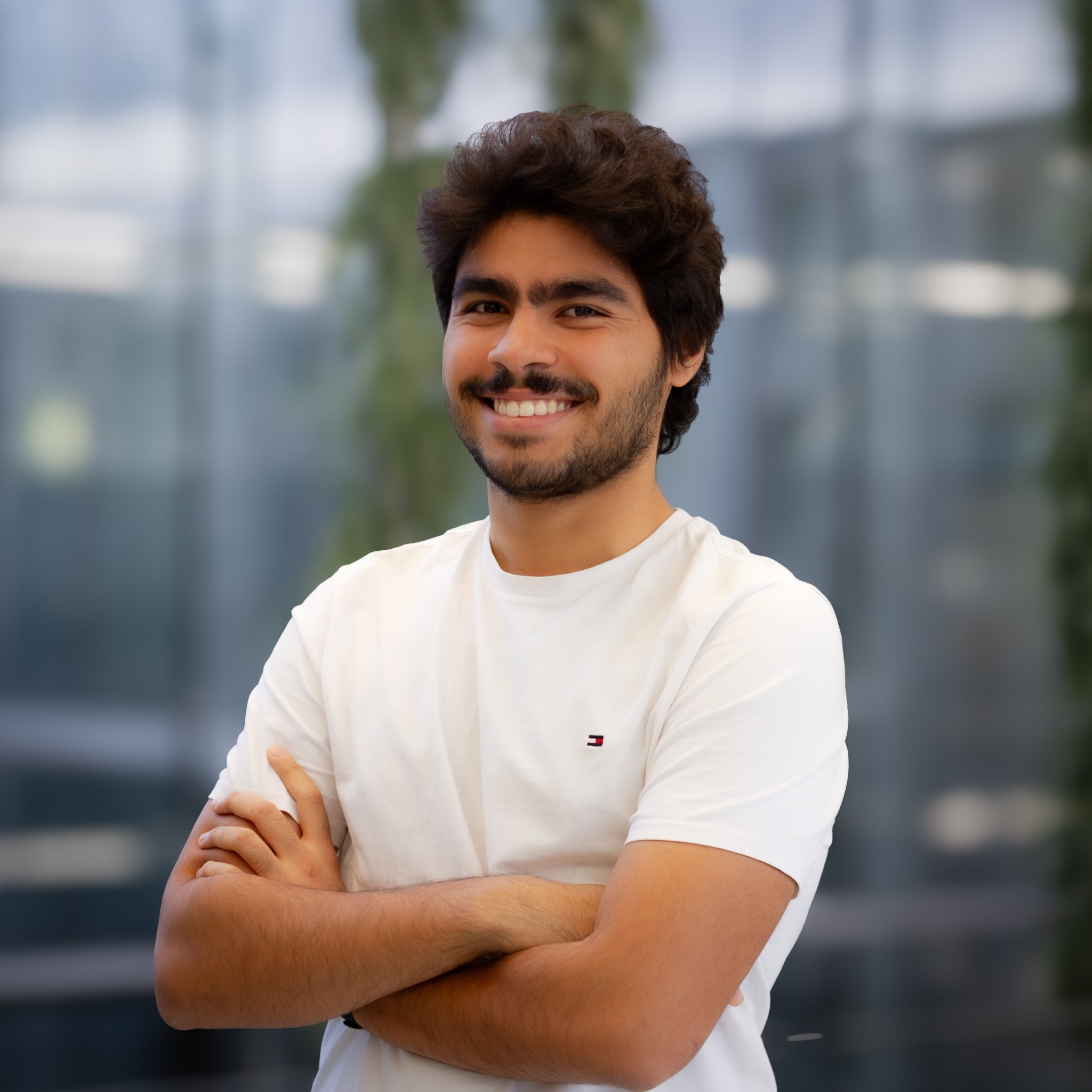
Ali Elmorsy
Ali is currently pursuing his PhD at the CHEMINA lab at EPFL. Originally from Cairo, Egypt, he completed high school at Lycée Misr, an international French–Egyptian school, before joining EPFL’s Bachelor and Master programs in Microengineering. During his studies, he specialized in microfabrication, sensors, electronics, optics, and minored in biomedical technologies.
As a Master’s student, Ali worked on several research projects across EPFL labs: developing thin-film transistors for implants at LSBI, building an SPR-based sensor for a protein biomarker at BIOS, and creating single-cell trapping microfluidic devices at LAPD. He completed his Master’s thesis at the startup Bioneris (based in EPFL at the time), where he designed bacteria-trapping microfluidic chips for spectroscopic analysis of bacteria–gold nanoparticle complexes. Following this, he joined Bioneris and contributed to the development of a patented bacterial analysis platform.
Alongside his academic work, Ali was very active in student projects and competitions, gaining extensive experience in robotics, prototyping, and system integration. He participated in the EPFL Xplore rover team for three years, serving as software engineer, team leader, and project manager, and led the team to win the award for Best Robotic Arm. He also competed in the SensUs biosensor competition and co-founded the Biosense EPFL association to bring students closer to the field. In his free time, Ali enjoys cooking, swimming, and is an amateur astronomer.
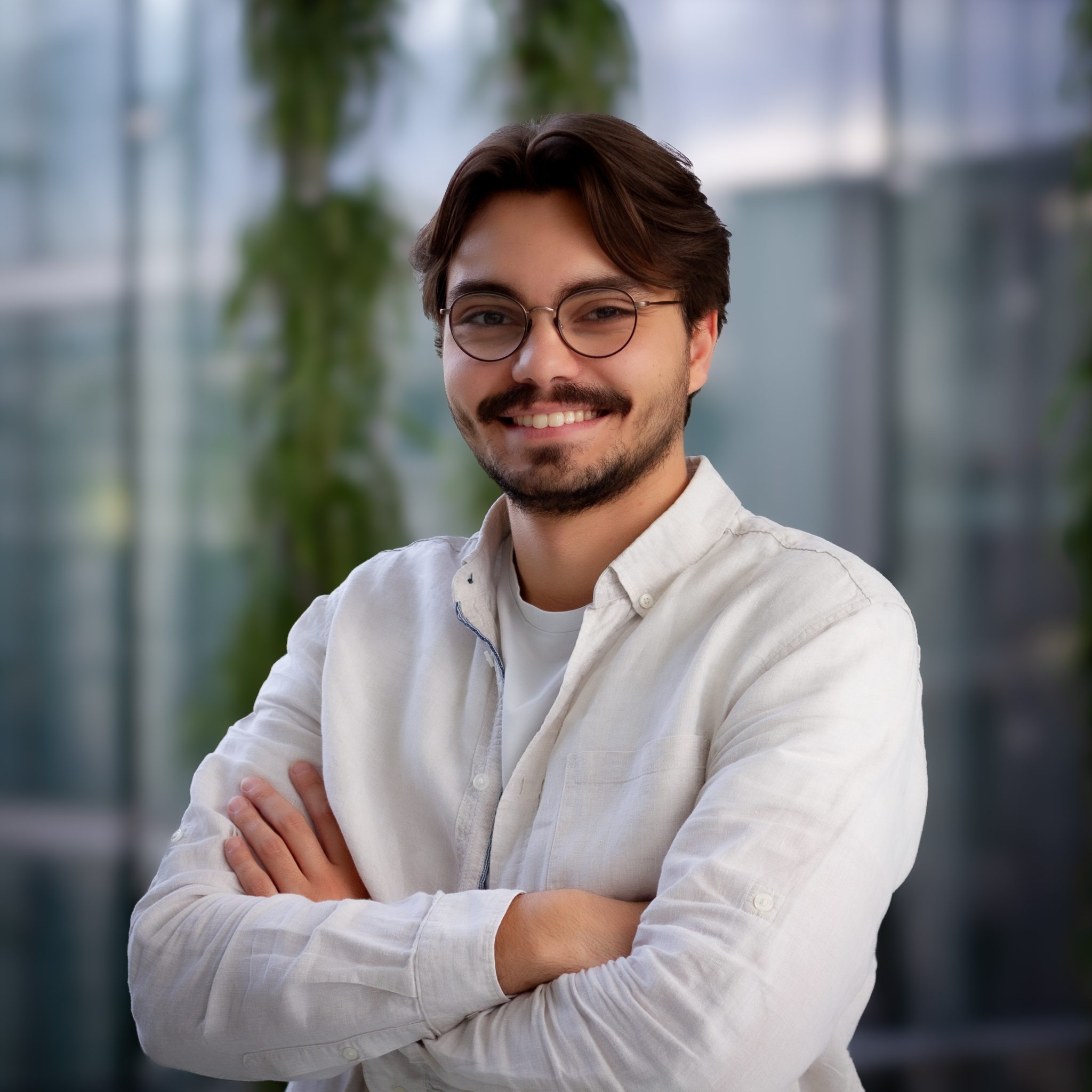
Maxime Henrion
Maxime is a PhD student at the CHEMINA Laboratory, originally from Lorraine, France. He earned dual degrees from ENS Lyon and École Centrale Lyon, where he developed a strong interest in neuroscience and neurodegenerative diseases. For his Master’s thesis, he joined Grégoire Courtine’s laboratory at EPFL, working with Antoine Collomb-Clerc on projects related to freezing of gait, a hallmark symptom in Parkinson’s disease.
Building on this experience, Maxime now focuses on detecting markers of brain dysfunction using focal molography, an optical biosensing technology that tracks mass changes on a chip in real time. His work aims to advance early diagnosis and understanding of neurodegenerative disorders.
Outside the lab, Maxime enjoys basketball, hiking, and cycling – and wishes he could win the laboratory’s culinary competitions. He also has a passion for 3D animation, which he uses to create engaging scientific presentations and visualizations.
Visiting Students
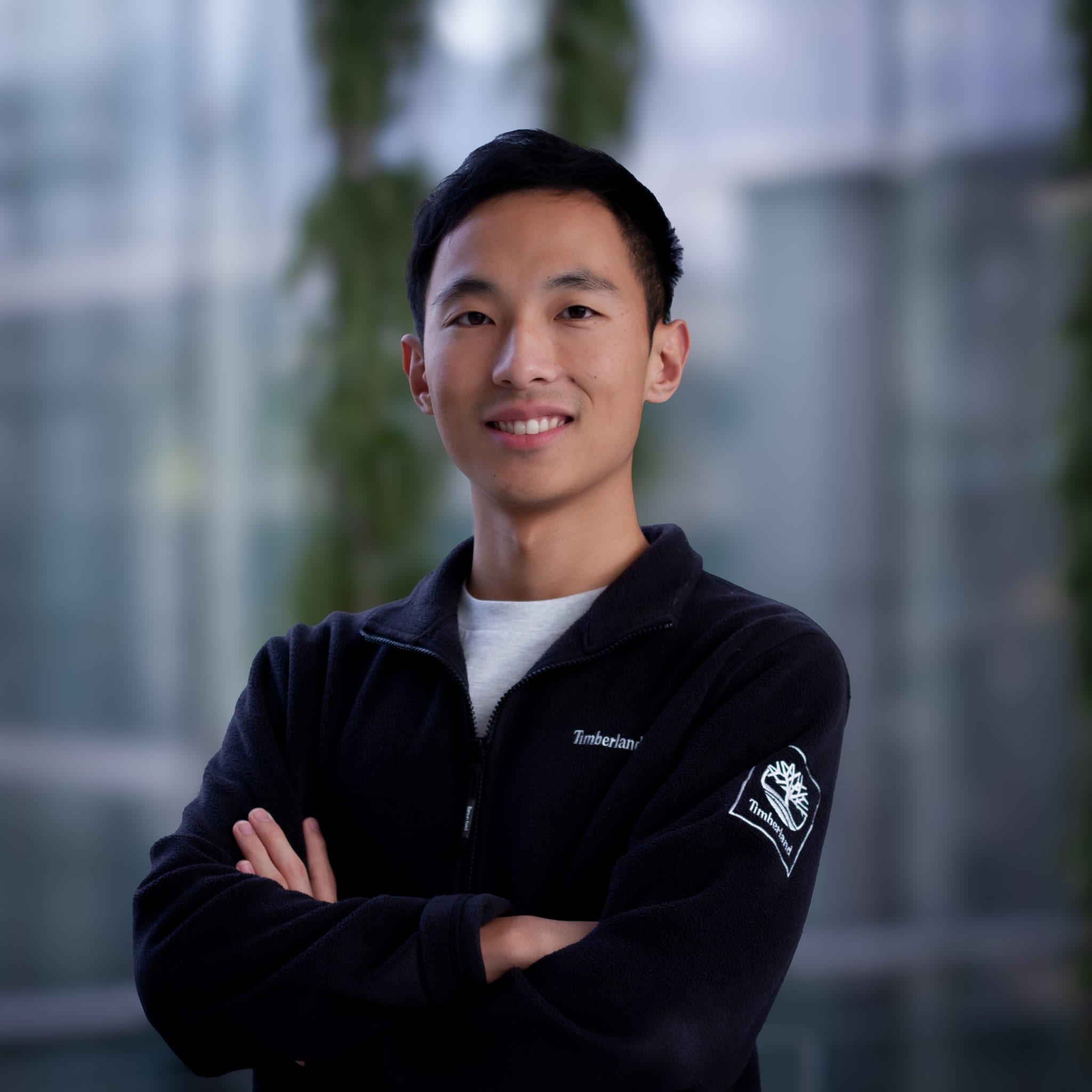
Senyao Wang
Senyao is a visiting PhD student in the CHEMINA lab under the EuroTech Joint Supervision Program, jointly with the Neuroelectronics lab (Prof. Bernhard Wolfrum) at the Technical University of Munich, Germany. He completed his Bachelor and Master degrees in Food Science and Engineering at Henan University of Technology, China, where he worked on developing immuno- and aptamer-based biosensors for detecting antibiotic residues in food matrices. Before starting his PhD in Munich in 2023, he worked as a research assistant at the Southern University of Science and Technology.
His PhD project focuses on improving the performance of electrochemical biosensors in complex biofluids. By integrating advanced electrode architectures, tailored surface chemistries, and novel sensing strategies—including aptamer- and enzyme-based approaches—his work aims to overcome the challenges of small-molecule detection and develop robust platforms for point-of-care healthcare monitoring. Outside the lab, Senyao is an active soccer player and follows Bayern Munich passionately. He also enjoys skiing (still improving!), playing guitar, and spending time in nature.
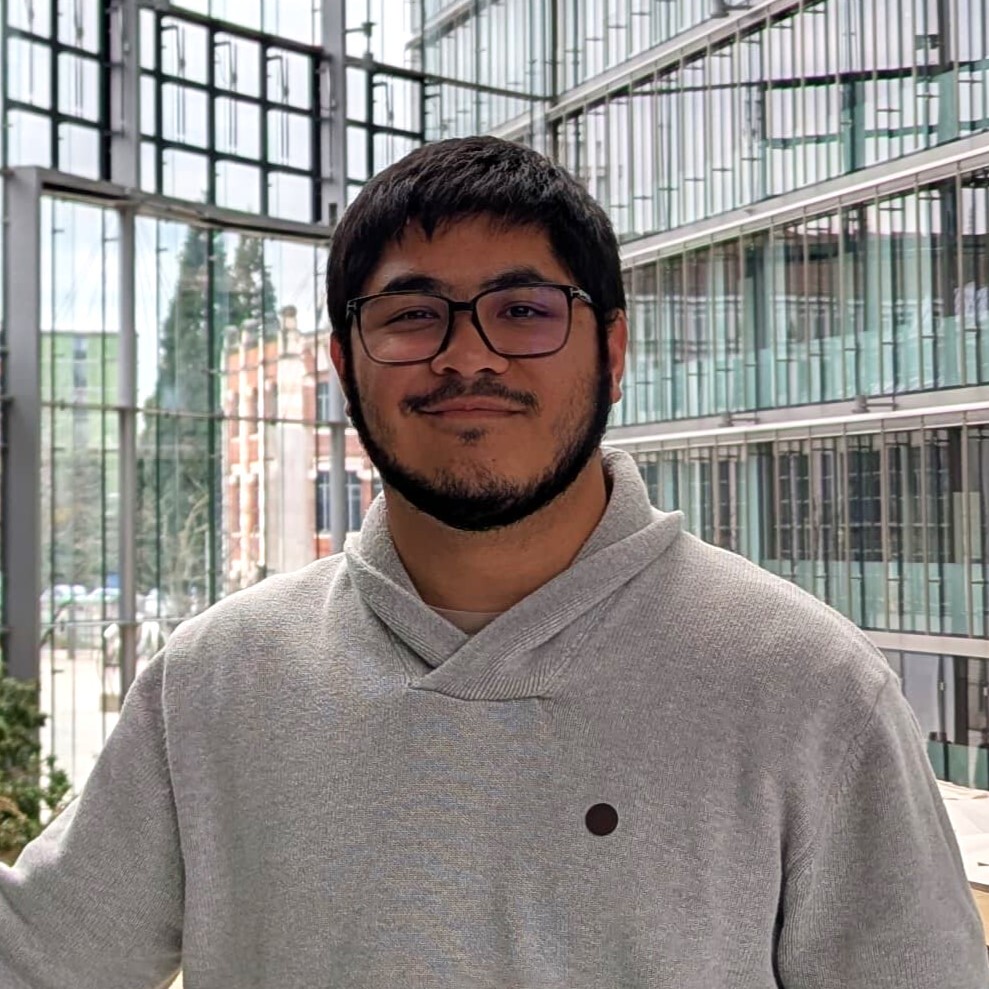
Leo Salgado Chane Pane
Leo Salgado Chane Pane is a visiting PhD student in the CHEMINA lab, joining from the Biomedical Applications Group (Prof. Anton Guimerà) at the Institute of Microelectronics of Barcelona (IMB-CNM, CSIC). Originally from Galicia, he earned his Bachelor’s degree in Chemistry from the Universidade de Santiago de Compostela, where he worked on atomic quantum clusters as robust room-temperature photocatalysts. He later completed a Master’s in Nanoscience and Nanotechnology at the Universitat Autònoma de Barcelona, focusing on the spintronic properties of 2D ferromagnetic materials for next-generation electronic devices.
During his PhD, Leo develops graphene-based solution-gated field-effect transistors (gSGFETs) as biosensors for neural interfaces. His work combines advances in gSGFET electrophysiology with tailored graphene surface chemistry via π–π interactions, aiming to enable multimodal recording of neural activity.
Outside the lab, Leo enjoys cooking, dancing, and spending time in nature — especially when there’s snow involved!
Master’s Students

Marc Tang Vidale
Originally from Geneva, Marc is a Swiss student who completed a Bachelor’s degree in Biochemistry at UNIGE and is currently pursuing a Master’s degree in Molecular and Biological Chemistry at EPFL, where he undertook several internships in the biophysics of macromolecules and nanobiotechnology. Driven by an evolving interest in the molecular mechanisms underlying neural processes, he aims to integrate chemistry and biomedicine to improve understanding of neurological disorders and support the development of innovative therapeutic strategies. During a six-month industry internship at Neurosterix, a pharmacological company based in Geneva, he worked on assay development to support central nervous system drug discovery. He is currently conducting his Master’s thesis at CHEMINA, focusing on the systematic characterization of aptamer-modified nanopipettes for neurochemical sensing, alongside protocol optimization. Beyond his academic work, he maintains a deep interest in linguistics and language learning, and enjoys reading classical literature, working out, and traveling.

Alixe Kirbihler
Alixe is a first-year EPFL Master’s student in Life Sciences Engineering with a minor in Biomedical Engineering. She also completed her Bachelor’s at EPFL, where she gained research experience in neurobiology at the Laboratory of Neural Genetics and Disease, and the Laboratory of Regeneration and Neurogenomics. Her research projects focused on gene regulation in amyotrophic lateral sclerosis and on the study of neuroregenerative pathways.
She was selected for the Laidlaw Research and Leadership Scholarship, which led to a leadership experience at the Social Innovation Lab at Mohammed VI Polytechnic University in Morocco, supporting local cooperatives, women’s entrepreneurship, and youth development initiatives.
Currently, she is carrying out her Master’s semester project at the CHEMINA Laboratory, characterizing novel aptamers and integrating them into a sensing platform for continuous monitoring. She also serves as a team lead for the BioSense EPFL SensUs team, developing a sensor to improve Levodopa management for Parkinson’s disease.
Outside the lab, she mentors first-year Life Sciences Engineering students and enjoys running, skiing, and figure skating. Her work is driven by a passion for bridging scientific breakthroughs and clinical applications, with the goal of translating technologies into solutions that positively impact patients’ lives.

Niel Mistry
Niel is currently pursuing a Master’s degree in Robotics at EPFL. Originally from Canada, he graduated in 2022 with a Bachelor’s degree in Mechatronics Engineering from the University of Waterloo. Before joining EPFL, Niel gained diverse professional experience across several cutting-edge fields, ranging from the development of agricultural drones and exoskeleton robots to the creation of interactive sculptures.
Currently, Niel is a semester project student at the CHEMINA lab, where his work focuses on the characterization of Organic Electrochemical Transistors (OECTs) and the integration of microfluidics into the testing process. This work specifically aims to analyze the suitability of these devices for high-performance biosensing applications. Beyond the lab, Niel serves as one of the team leads for the BioSense EPFL SensUs team, spearheading the development of a continuous monitoring sensor for Levodopa to improve the management of Parkinson’s disease.
Driven by a desire to become a well-rounded engineer, Niel seeks to apply his multidisciplinary background to solve meaningful, real-world problems. In his free time, he is an outdoor enthusiast who enjoys hiking and exploring nature, while also harboring long-standing passions for aviation and astronomy.
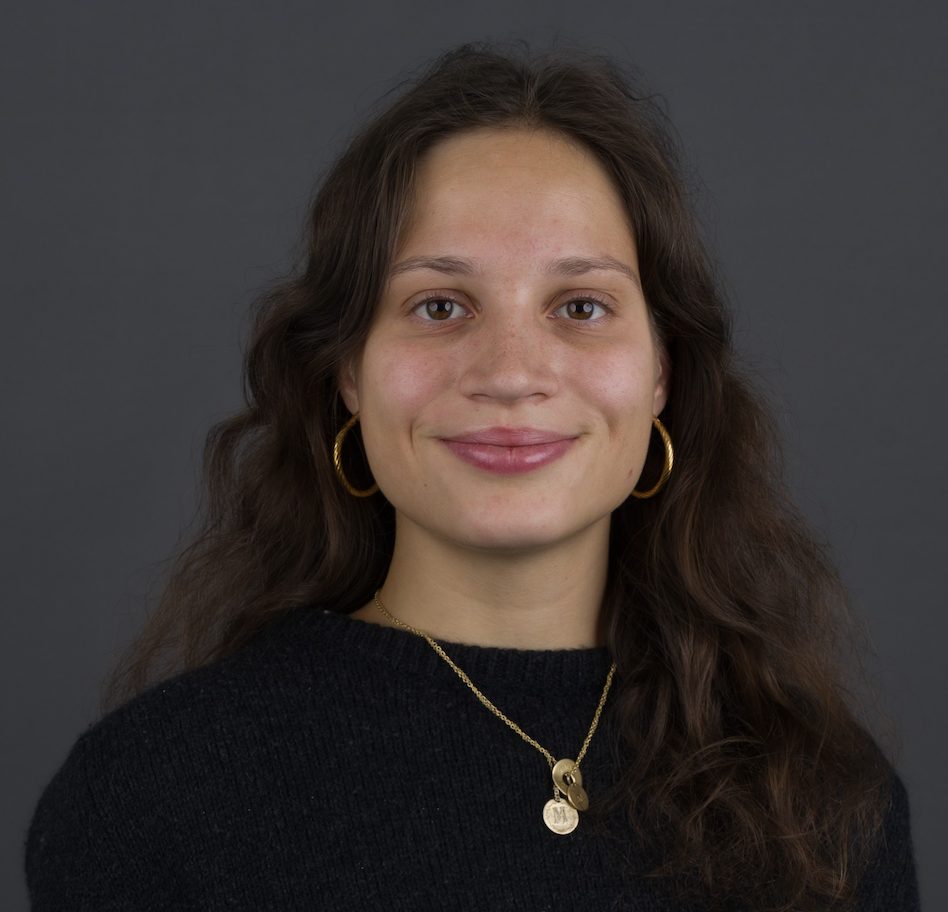
Manon Landrieux
Manon is a Master’s student conducting a semester project in the CHEMINA lab. Originally from France and Switzerland, she completed her Bachelor’s degree in Chemistry at EPFL and is now pursuing a Master’s in Life Sciences Engineering with a minor in Neuro-X. During her semester project at CHEMINA, she will focus on the quantitative analysis of DNA molecular self-assembly on solid-state particles.
Beyond her studies, she enjoys playing the piano, reading, and practicing sports such as bouldering and skiing. She has also been actively involved in student associations, including contributing to the Festival Balélec for two years.

Khushi Singh
Khushi is a semester project student working on optimising devices for Serotonin sensing. She is pursuing her Master’s in Neuro-X with a minor in Data Science at EPFL. She has completed her Bachelor’s in Biochemical Engineering and Biotechnology at IIT Delhi, where she began exploring neuroscience through various research projects. She has a strong background in neural signal processing, machine learning, realistic brain simulations and genetic engineering. She now aims to apply her interdisciplinary background to generate tangible societal impact by building sensors and assistive devices to improve patient outcomes across a wide range of neural disorders.