

Jokubas Surgailis
Jacob is a former postdoc of the CHEMINA lab who worked on advancing biomedical sensing platforms for detecting the biomarkers of neurodegenerative conditions, such as Parkinson’s and Alzheimer’s diseases. He completed his undergraduate studies in the University of Glasgow in Electronics and Electrical Engineering and finished his PhD in n-type mixed conductor operation in aqueous media for bioelectronic applications in King Abdullah University of Science and Technology.

Maïlys Bayer
Maïlys completed her master’s thesis at the CHEMINA laboratory in 2025. She previously completed her bachelor’s degree in Physics engineering at Grenoble-INP Phelma in France. She then pursued an international master’s degree in micro and nanotechnologies at Grenoble-INP Phelma (France), Politenico di Torino (Italy), and EPFL. As part of her academic journey, she completed an industrial internship at GE Healthcare Buc (France) where she gained a valuable experience in the biomedical field. During the last year of her studies, she gained a strong interest in the neuroscience field and sought to bridge the gap between nanoscience and neuroscience, and she joined the CHEMINA lab to work on integrating aptamers into a focal molography biosensor to detect neurotransmitters.
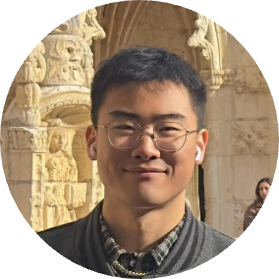
Yide Jiao
Yide completed his master’s thesis at CHEMINA, EPFL, in 2025. Originally from China, he completed his undergraduate studies in Material Science and Technology. After graduation, he gained valuable experience working in a lab specializing in microfabrication using ultrafast lasers. In 2022, he moved to Switzerland to further his education in Microengineering, with a minor in Biomedical Engineering at EPFL. During his time in Lausanne, Yide developed a keen interest in biosensing through various coursework and lab projects. Intrigued by the research focus at CHEMINA, he joined the team in September 2024, where he worked on developing technology for aptamer-functionalized nanopipettes.

Hanna Grothe
Hanna completed her master’s thesis between the Laboratory of Biosensors and Bioelectronics (LBB) at ETH Zürich and the CHEMINA Lab at EPFL in 2025. She was born close to Berlin, where she completed her bachelor in Biosystems Technology and Bioinformatics. There, she discovered her passion for biosensing, which she wanted to apply in the medical field. That’s why she started her master’s program in molecular medicine, where she fell in love with neurons. Combining her two passions, Hanna worked in CHEMINA on nanoscale biosensors to detect multiple neurotransmitters.
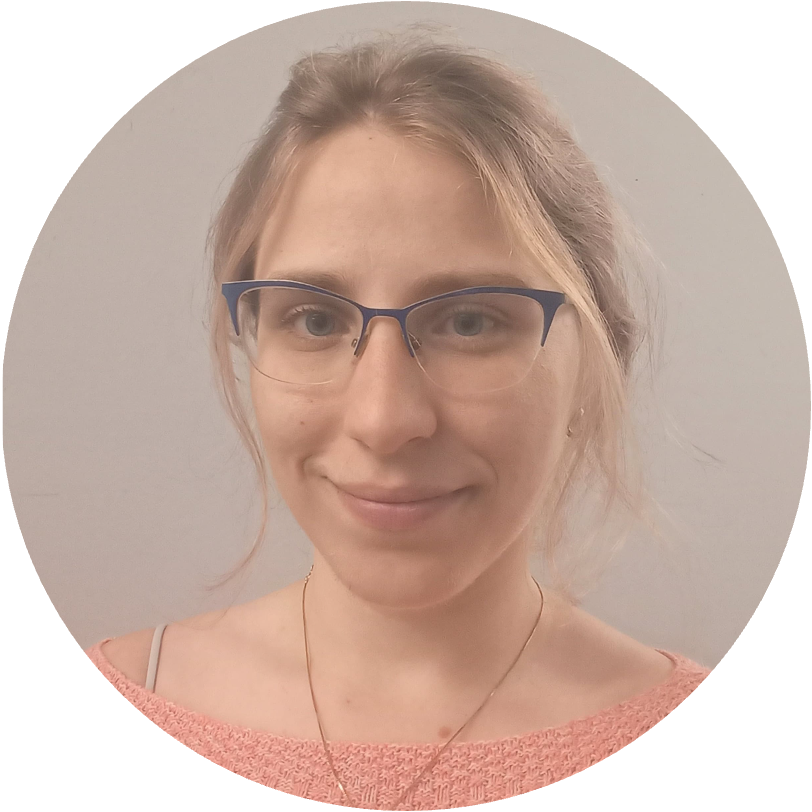
Marta Nikić
As a visiting PhD student from Technical University Munich, Marta joined CHEMINA in September 2024. Previously, she earned her master degree in physics at the University of Zagreb, Croatia before moving to Munich, Germany to pursue a more biosensing- and microfabrication-based continuation of her education. Her research focuses on the possible implementation of nanoparticles in biosensing approaches, but also includes micro and macro electrode fabrication. At CHEMINA, she combined aptamers and metal nanoparticles and try to exploit their specific electrochemical and physical properties to facilitate an easy readout of the sensing strategy.
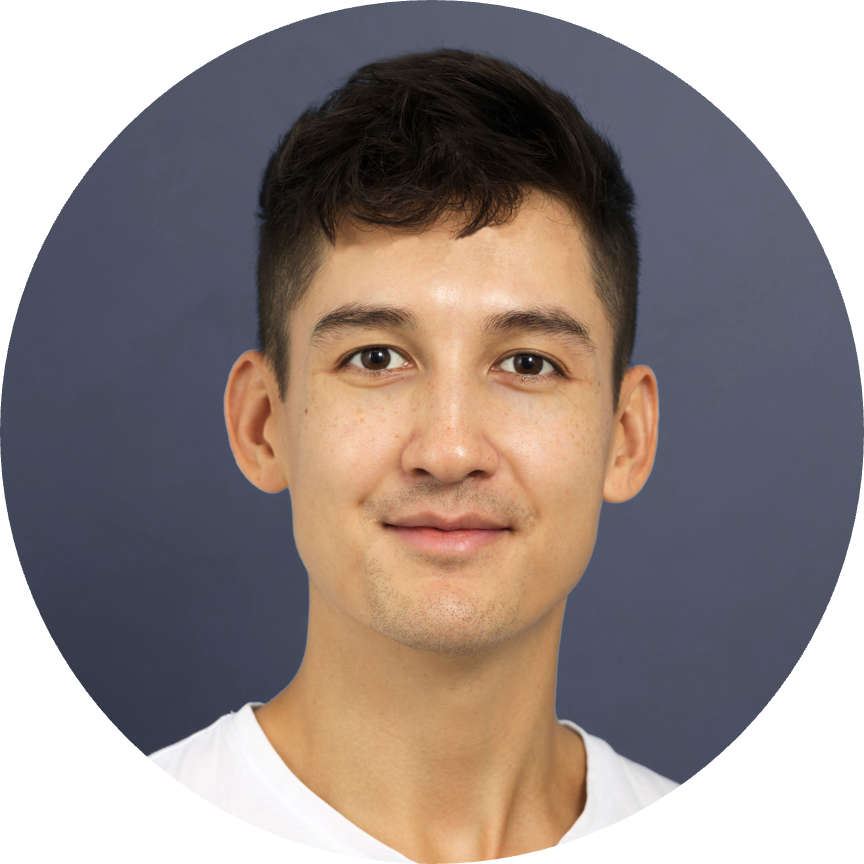
Kevin Roost
Kevin completed his Master’s thesis with the CHEMINA Lab, also splitting his time between the Laboratory of Biosensors and Bioelectronics (LBB) at ETH Zurich and the Biointerfaces Laboratory at EMPA St. Gallen. He started his academic journey studying Biochemistry at the University of Zurich for his Bachelor’s degree before moving on to ETH Zurich for his Master’s in Health Sciences and Technology. His project with CHEMINA focused on precisely patterning hydrogels with aptamers to construct an interactive 3D microenvironment tailored for cellular interactions.
Former Project Students
Timothé Dufour, EPFL
Clémence Vérité, EPFL
Lucia Zedgitt, EPFL
Héloïse Hughes, Amherst College
Jiamin Yang, Zhejiang University