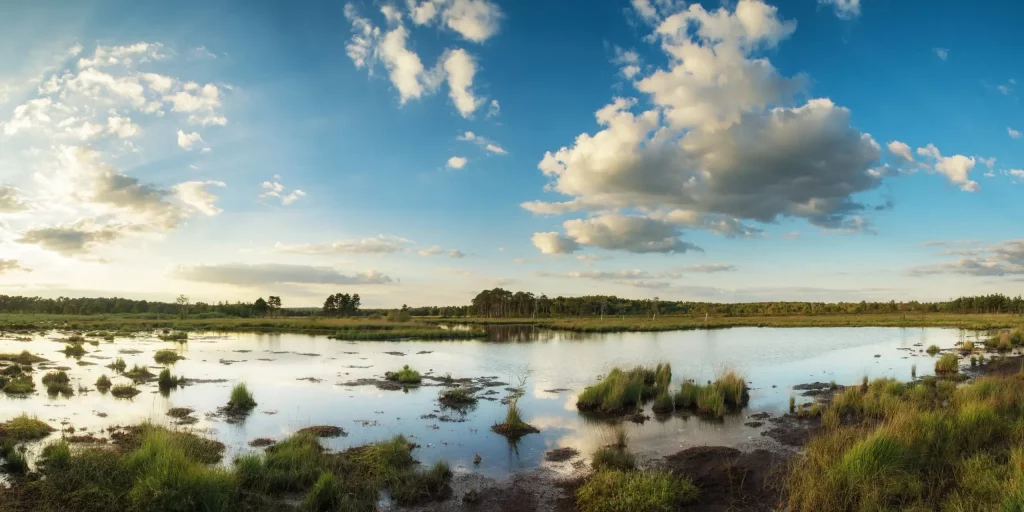
Wetlands play a key role in the global carbon cycle. However, many wetlands are currently degraded, often by draining to be converted to agricultural land. These degraded wetlands have not only lost their ecosystem functions, but are also significant sources of carbon dioxide and methane to the atmosphere. The restoration of degraded wetlands and their capacity to sequester atmospheric carbon dioxide by peat formation is key in the context of climate change. Despite the recognized potential of wetland restoration for climate change mitigation, we currently lack a methodology to precisely estimate carbon fluxes in wetlands and, therefore, to quantitatively assess the impact of restoration efforts on carbon sequestration. In this project, we aim to provide a modeling framework that allows us to estimate wetland carbon fluxes under changing climatic conditions. We aim to develop a process-based framework that considers coupled ecohydrological and biogeochemical processes in wetlands and explicitly accounts for the unique features of these ecosystems. The modeling results will be corroborated using existing monitoring data from a wetland under restoration in Switzerland as well as selected data to be collected as part of the project depending on specific modeling needs. With this project, we aim to provide a tool to quantify carbon fluxes in selected wetlands in Switzerland and the necessary baseline data to optimize the implementation and operation of restoration projects to maximize carbon sequestration.
Project duration | October 2024 – September 2026
People | Filippo Miele
Funding | InTent
Collaborators | EPFL Soil Biogeochemistry Laboratory (SOIL), Enterprise for Society Center (E4S)
Related presentations and publications:
- Miele, F., Kargere, B., Dienes, B., Aeppli, M., and Bonetti, S. (2025). Restoring wetlands: the role of hydrological stressors in morphology and soil water-carbon budgets. 23rd Swiss Geoscience Meeting, Bern, Switzerland, 5-6 Dec. 2025 (14.5).
Project updates:
On December 9, Sara and Filippo participated in an Action Lab organized by the Enterprise for Society (E4S) Center. E4S brought together a group of 33 researchers, practitioners, government representatives, NGOs, and entrepreneurs at IMD in Lausanne for the Wetland Restoration Action Lab.
The workshop focused on developing concrete projects on several topics, including modeling the cost of inaction on wetlands in Switzerland, as well as studying carbon and methane fluxes before and after wetland rewetting.
Participants worked in groups to clarify the objectives, methods, and next steps for each project. The discussions revealed strong interest across institutions and disciplines, and we look forward to building on these collaborations in 2026.
Filippo presented first results on our wetland modeling work at the Swiss Geoscience Meeting in Bern – see related news here!
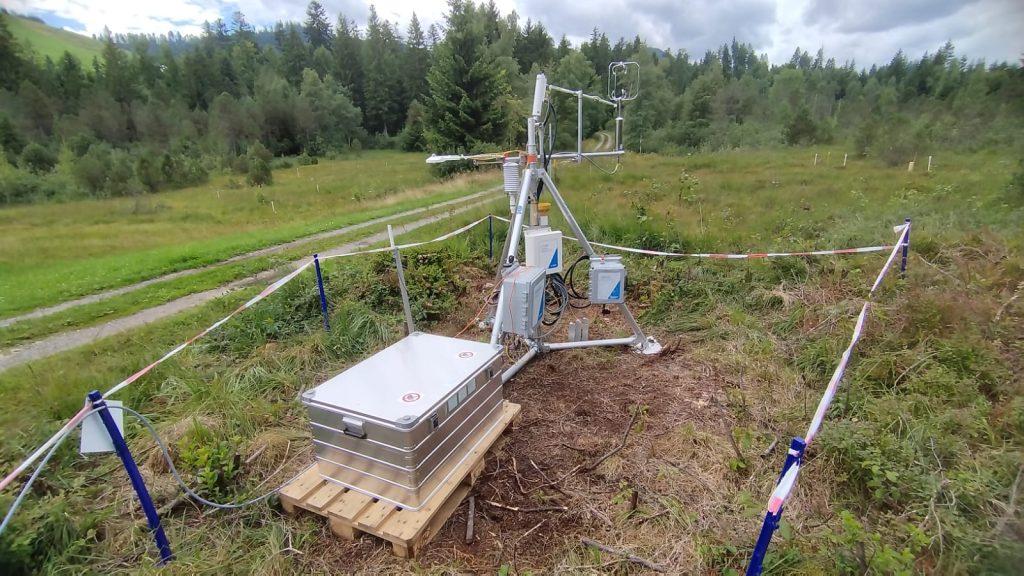
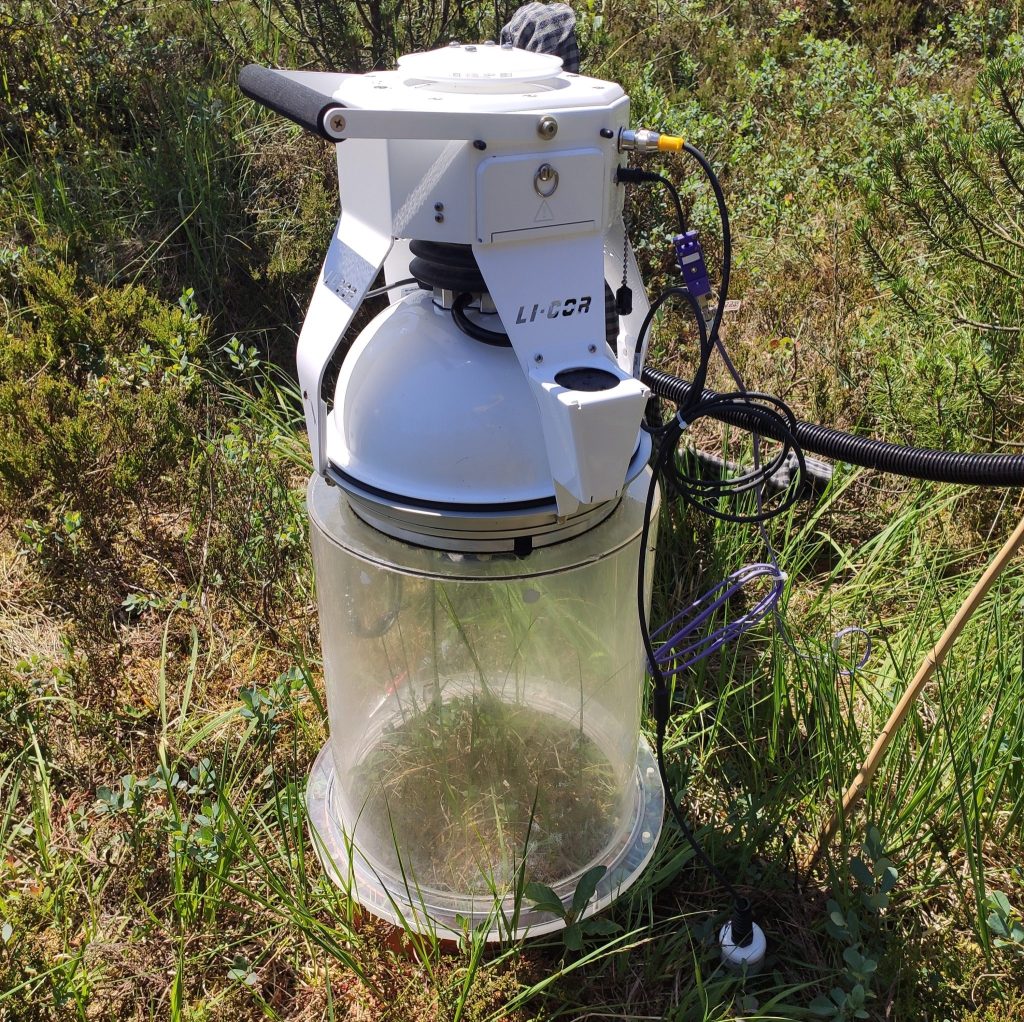
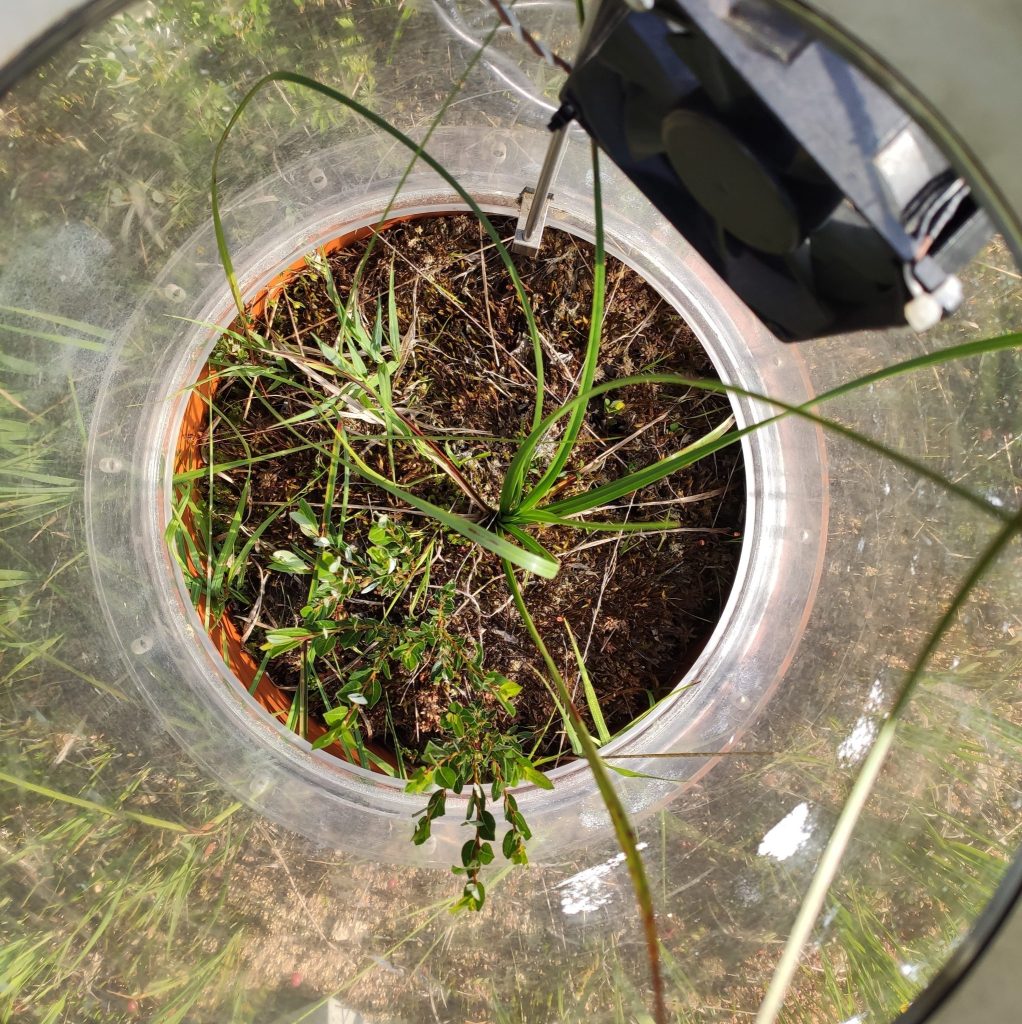
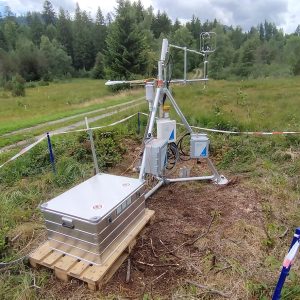
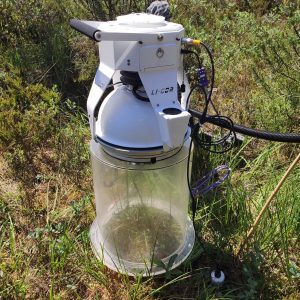
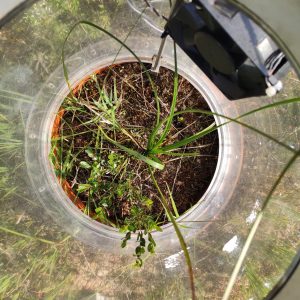
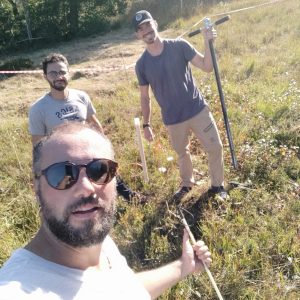
The monitoring campaign at the Balmoos wetland site has started! The monitoring program includes GHG flux measurements, drone-based surveys of vegetation features, soil redox profiles, as well as soil moisture and temperature profiles.