
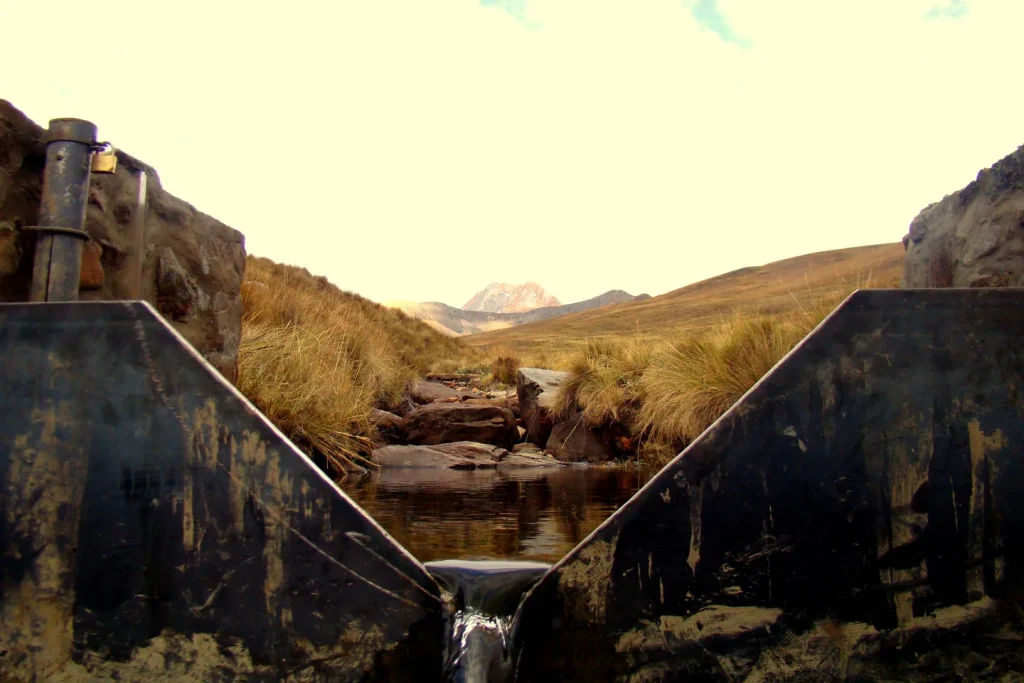
Water monitoring relies not only on scientific measurements, but also on the knowledge and observations of local communities. However, much of this valuable information is currently difficult to access and integrate into global water models. This international project, funded by Schmidt Sciences, aims to develop new ways to bring local water knowledge into global-scale hydrological research. The project will create tools and methods to combine data from citizen observations, volunteer monitoring programs, and local expertise with existing water models.
Using approaches such as machine learning and improved data integration techniques, the team will work to make local datasets more accessible, reliable, and useful for understanding water systems. The project will also investigate uncertainties in locally collected data and develop frameworks to support better water management decisions. The research will focus on important water variables, including rainfall, river flows, groundwater, soil moisture, reservoirs, and water use. Activities will involve collaboration with local partners and data collection efforts in regions including the Andes, Ghana, Ethiopia, Laos, and India. By connecting local knowledge with global water modelling, the project aims to improve our understanding of water systems and support more informed decisions for sustainable water management around the world.
The project brings together an international team of researchers from institutions including Imperial College London, EPFL, the International Water Management Institute, the University of Cyprus, ATUK, the University of Cuenca, PUCP Lima, the University of Ghana, and the Indian Institute of Science Bangalore. CHANGE Lab contributes expertise in ecohydrological modelling to this collaborative effort.
Project duration | Mar. 2026 – Feb. 2031
People | Milad Panahi
Funding | Schmidt Sciences
Collaborators | Wouter Buytaert (Imperial College London, Lead PI), Seifu Tilahun (International Water Management Institute, Lead PI), Ana Mijic (Imperial College London), Athanasios Paschalis (University of Cyprus), Boris Ochoa-Tocachi (ATUK), Rossella Arcucci (Imperial College London), Patricio Crespo (University of Cuenca), Fabian Drenkhan (PUCP Lima), Samuel Agyei-Mensah (University of Ghana), Brahma Vishwakarma (Indian Institute of Science Bangalore).