
EDPY – Physique
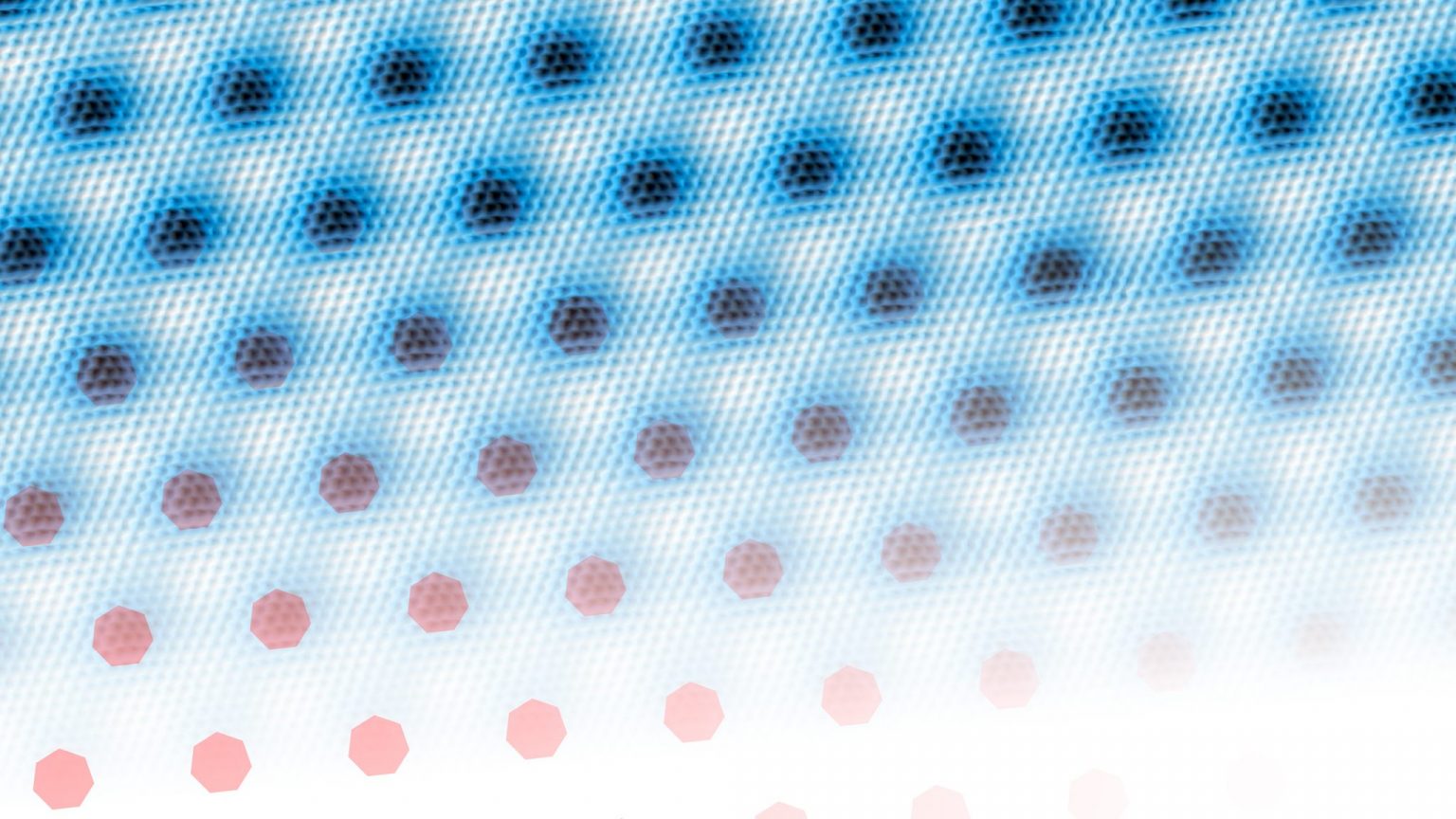
Image: Courtesy of LNS
A propos du programme
Le Programme Doctoral en Physique de l’EPFL (EDPY) est à la fois une passerelle et un centre académique, offrant cours avancés et soutien aux doctorants.
Une cinquantaine de professeurs et autant de chercheurs expérimentés ont pour mission de faire progresser la physique au plus haut niveau international tout en offrant une formation d’excellence. Son approche interdisciplinaire ouvre des perspectives passionnantes vers la recherche avancée en sciences de la vie, en ingénierie et au-delà.
Candidature à l’EDPY
Les candidatures peuvent être soumises deux fois par année.
Dates limites : soumission avant le 30 avril ou le 31 octobre (dossier complet incluant les 3 lettres de recommandation).
L’admission au programme n’est possible que si les deux conditions suivantes sont satisfaites:
-
Le candidat a postulé au programme et est jugé éligible par le comité de sélection sur la base de son dossier de candidature;
-
Le candidat a trouvé un directeur de thèse affilié au programme, qui, après entretien, décide de lui offrir un poste de doctorant dans son unité de recherche.
- Consultez les directives pour postuler
-
Pour postuler au programme, vous devez compléter et soumettre le formulaire de candidature en ligne.
-
Visitez les pages web pour découvrir les recherches en cours en physique à l’EPFL et connaître les directeurs de thèse affiliés à notre programme doctoral.
-
Consultez la page dédiée pour obtenir des informations générales sur les critères d’admission et les procédures de candidature.


Les doctorants en physique de l’EPFL collaborent avec des laboratoires de premier plan, spécialisés aussi bien en recherche théorique qu’expérimentale. Grâce à sa forte dimension interdisciplinaire, le programme doctoral en physique ouvre des perspectives passionnantes, que ce soit vers la recherche avancée en sciences de la vie ou en ingénierie.
Projets de recherche
La recherche en énergie durable y est portée par la physique des plasmas, centrée sur les technologies de fusion et de fission, tandis que les frontières de la science et de la technologie quantiques sont repoussées pour développer les futurs dispositifs de calcul, de détection et de communication quantiques.


The research environment is dynamic and collaborative, and I’ve learned a lot of experimental techniques while working in a great team. On top of that, the campus is beautiful and international, with many events that make the experience even more fulfilling.
My name is Anna Toschi, and I was born in Milan, Italy. I’ve always been curious about how things work, which led me to study Engineering Physics at Politecnico di Milano. During my Master’s, I completed my thesis at the synchrotron in Grenoble, France — a great experience that confirmed my passion for research and international environments.
I’m now a PhD student in the EDPY program at EPFL, and being part of this community has been incredibly rewarding. The program offers a wide range of courses that allow you to explore diverse areas of physics, along with opportunities to teach and engage with students. From day one, I felt supported — whenever challenges come up, you can openly discuss them with your supervisor or colleagues, and there’s always someone willing to help.
The research environment is dynamic and collaborative, and I’ve learned a lot of experimental techniques while working in a great team. On top of that, the campus is beautiful and international, with many events that make the experience even more fulfilling.


That experience boosted my confidence and transformed the rest of my PhD. The sense of inadequacy that marked the early years gradually gave way to the joy of research and the curiosity that drives a passionate academic
I’m a final-year PhD student in the Fields and Strings Laboratory led by Prof. João Penedones.
My PhD journey has been full of surprises. I struggled in my first years. I often felt slow and unprepared for the challenges of theoretical physics research. What made the difference was something I consider essential in any student–advisor relationship: my advisor always showed that he believed in me. His trust not only supported my morale but had real consequences. At the end of my second year, I published my first paper, and when he was invited to a high-profile conference in the US but couldn’t attend, he proposed that I go in his place. I was nervous at the thought of giving a one-hour seminar in that setting, but after a lot of preparation, it went well. That experience boosted my confidence and transformed the rest of my PhD. The sense of inadequacy that marked the early years gradually gave way to the joy of research and the curiosity that drives a passionate academic. A crucial consequence of that shift was that I began to feel more comfortable asking very basic questions. I’ve learned that this is perhaps the most important quality in a researcher: being confident in one’s own ignorance and open to questioning the basics of building strong foundations. In the last two years, I’ve published more papers and broadened my interests.
In October, after I graduate, I’ll start a postdoc in Turin.
P.S. The picture is from the EPFL competition My Thesis in 180 Seconds—that was fun!

Pour les candidats
Informations complémentaires: comment postuler, témoignages

Pour les doctorants
Informations pratiques: tout ce dont vous avez besoin de savoir en tant que doctorant

Membres
Qui est qui: tout ce dont vous avez besoin de savoir à propos de la communauté EDPY


Prochaines défenses publiques
Actualités à la une
Contact
Directeur de Programme
Prof. Paolo De Los Rios
Administration
Anh Eymann
Programme Doctoral en Physique EPFL
PH B2 405
CH-1015 Lausanne