
Pour soumettre votre projet ou pour toute question, veuillez contacter le ou les directeurs de projet ou le professeur L. Laloui : [email protected]
Veuillez noter que tout projet peut être adapté pour un semestre. Dans ce cas, veuillez contacter le directeur de projet en mettant le professeur Lyesse Laloui en copie.
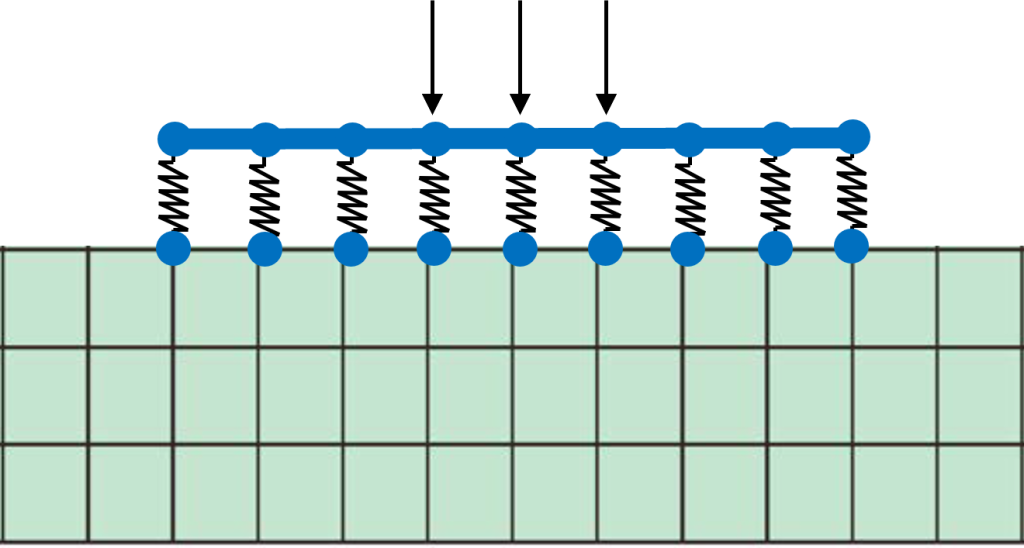
Comportement sismique
Contexte
- Analyse sismique des bâtiments existants
- Le rôle de l’interaction sol-structure (ISS) est souvent négligé
Objectifs
- Comment l’ISS doit-elle être prise en compte pour améliorer la fiabilité des évaluations de vulnérabilité sismique ?
- Informer les stratégies de renforcement appropriées
Activités
- Synthétiser les recherches actuelles et les cadres réglementaires concernant les effets de l’ISS afin d’identifier les cas critiques
- Utiliser des approches de modélisation numérique intégrant les effets de l’ISS
- Appliquer la méthodologie développée à une étude de cas
- Présenter les résultats sous une forme structurée
Contact : Dr. Aldo Madaschi ([email protected])

Géostructures énergétiques
Contexte
- Sondes géothermiques (BHE)
- Approche d’apprentissage automatique
Objectifs
- Prédire les performances de transfert de chaleur des BHE par des techniques d’apprentissage automatique
Activités
- Se familiariser avec COMSOL Multiphysics
- Comprendre la formulation actuelle des modèles numériques pour les BHE
- Identifier et développer une technique d’apprentissage automatique pour les BHE
- Présenter les résultats sous une forme structurée
Contact : Dr. Elena Ravera ([email protected])
Contexte
- Sondes géothermiques (BHE)
- Approche d’apprentissage automatique
Objectifs
- Collecte de données à partir d’installations pilotes instrumentées
- Prédire les performances de transfert de chaleur des BHE par des techniques d’apprentissage automatique
Activités
- Installation de capteurs de température non intrusifs sur les boucles hydrauliques
- Vérification de la qualité et de la fiabilité des mesures
- Identifier et développer une technique d’apprentissage automatique pour les BHE
- Présenter les résultats sous une forme structurée
Contact : Dr. Elena Ravera ([email protected])
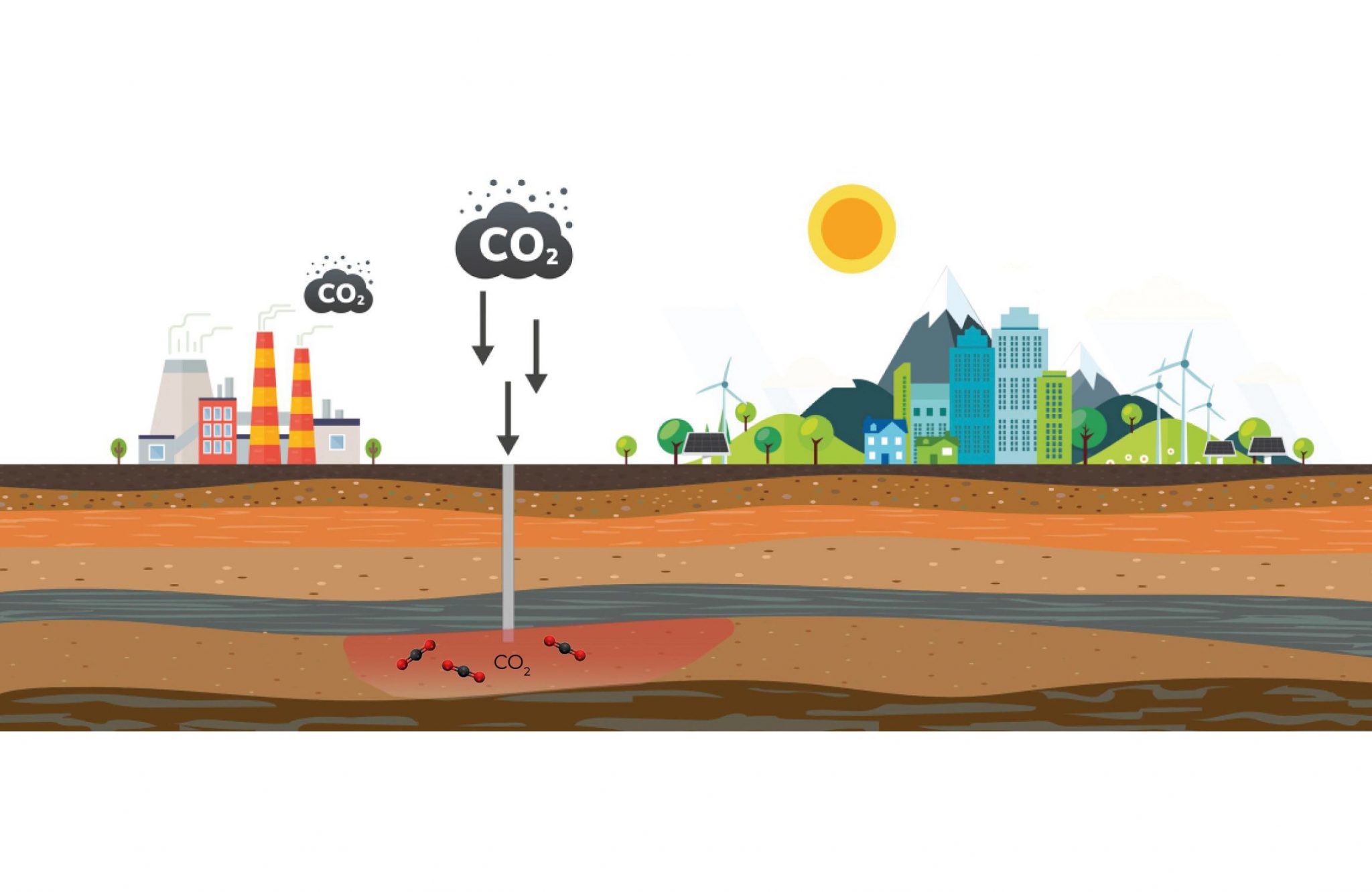
Stockage géologique du CO₂
Contexte
- La couche de couverture (ex. shale) empêche le CO₂ injecté de s’échapper vers la surface
- Caractérisation micro-structurale 3D par tomographie aux rayons X
Objectifs
- Comprendre la capacité d’étanchéité des matériaux de couverture fracturés et broyés
Activités
- Se familiariser avec l’analyse et le traitement d’images de base (Fiji ImageJ)
- Caractériser l’hétérogénéité micro-structurale de la couverture
- Quantifier les changements volumétriques dus aux modifications hydrauliques et mécaniques (corrélation de volume numérique)
- Présenter les résultats sous une forme structurée
Contact : Dr. Eleni Stavropoulou ([email protected])
Contexte
- Stockage géologique du CO₂
- Modélisation par apprentissage automatique
Objectifs
- Génération de données synthétiques
- Prédire la réponse hydromécanique par des techniques d’apprentissage automatique
Activités
- Se familiariser avec FEM CodeBRIGHT
- Produire un large ensemble de données hydromécaniques synthétiques
- Identification et développement de modèles d’apprentissage automatique basés sur les données pour le stockage géologique du CO₂
- Présenter les résultats sous une forme structurée
Contact : Dr. Eleni Stavropoulou ([email protected])

Contraintes in situ au Mont Terri
Contexte
- Les décisions d’ingénierie souterraine dépendent fortement d’une connaissance fiable de l’état de contrainte in situ
- À ce jour, l’état de contrainte complet ne peut pas être déterminé avec une confiance suffisante à partir de mesures en forage dans des conditions géologiques réalistes
- L’expérience IS-E au Mont Terri offre une opportunité unique de remédier à cette limitation grâce à une campagne de mesures de contraintes multi-forages dédiée
- Le jeu de données permettra de soutenir le développement et la validation de cadres d’interprétation avancés pour la reconstruction de l’état de contrainte complet en environnement de forage
Objectifs
- Reconstruire et interpréter les composantes de contrainte in situ à partir de mesures de terrain
- Valider la méthodologie EPFL-LMS pour la reconstruction complète de l’état de contrainte en environnement de forage
Activités
- Familiarisation avec l’expérience du Mont Terri et le concept de mesure des contraintes
- Nettoyage, organisation et contrôle qualité des mesures de terrain
- Post-traitement analytique et numérique du jeu de données de contraintes
- Évaluation des incertitudes et comparaison entre les sites d’essai
- Rédaction et présentation des résultats sous une forme structurée
Contact : Dr. Angelica Tuttolomondo ([email protected])

Rétention d’eau dans les sols
Contexte
- Le comportement hydromécanique des sols non saturés est régi par des interactions complexes eau–sol
- L’eau est retenue par différents mécanismes, notamment l’adsorption à l’échelle des particules et la capillarité au sein du réseau poreux
- Ces mécanismes contribuent différemment au comportement mécanique des sols ; les distinguer est donc essentiel pour mieux interpréter la rétention d’eau et la réponse en déformation
Objectifs
- Apporter de nouvelles connaissances sur les mécanismes de rétention d’eau dans les sols dans différentes conditions
- Quantifier la contribution de l’eau adsorbée et de l’eau capillaire au comportement global de rétention
Activités
- Revue de littérature sur les mécanismes de rétention d’eau et les approches expérimentales
- Essais expérimentaux sur des échantillons de sol préparés
- Traitement des données et discussion critique des résultats
- Collaboration avec l’Université de Gênes et l’ENTPE Lyon
- Rédaction et présentation des résultats sous une forme structurée
Contact : Dr. Angelica Tuttolomondo ([email protected])
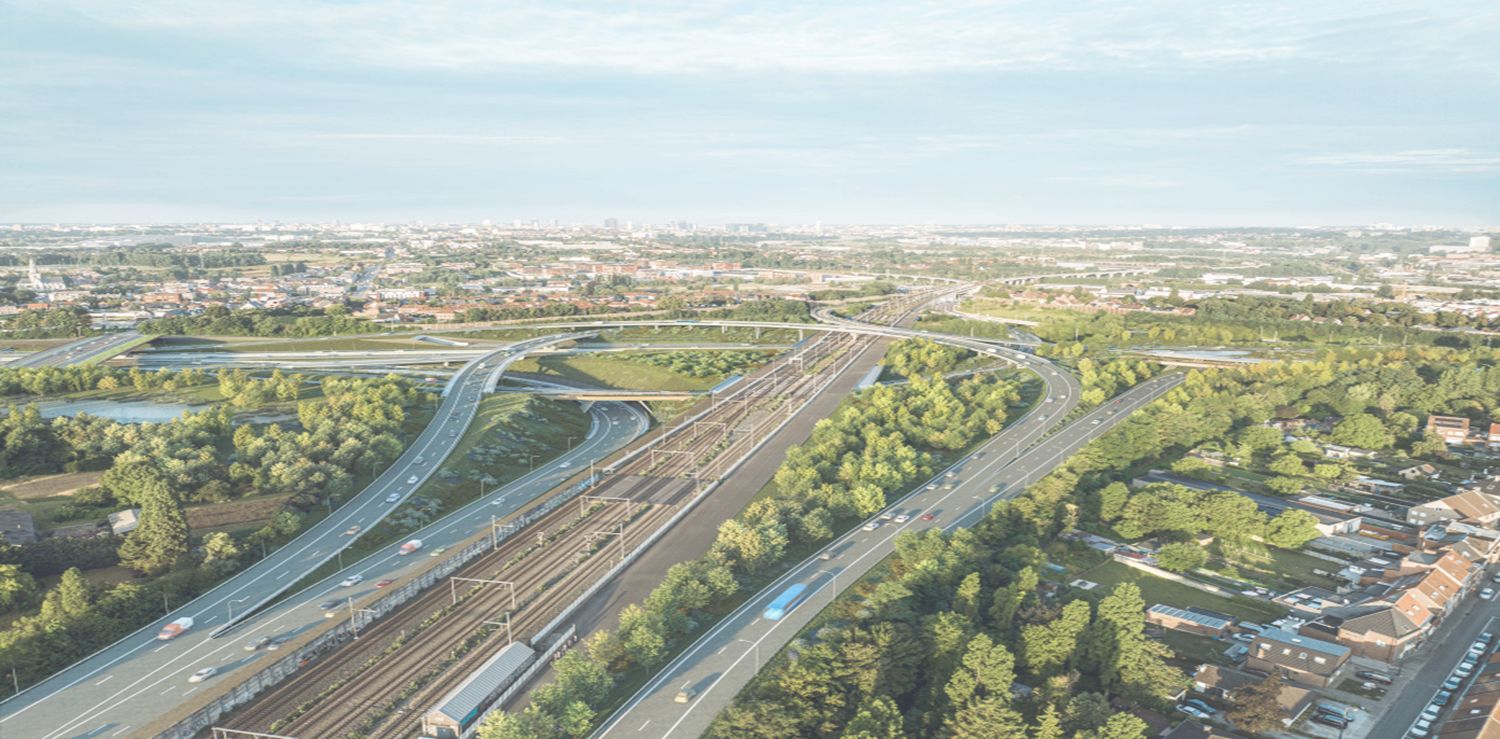
Caractérisation du sous-sol par IA
Contexte
- La conception d’infrastructures géotechniques nécessite des modèles de sous-sol fiables
- Les essais de pénétration au cône (CPT) sont largement utilisés pour la caractérisation stratigraphique
- Disponibilité croissante de grandes bases de données géotechniques
- Approches d’IA et d’apprentissage automatique pour l’identification automatisée des couches de sol
Objectifs
- Développer des flux de travail basés sur l’IA pour l’identification stratigraphique automatisée
- Quantifier l’incertitude dans l’identification des limites de couches
- Soutenir la modélisation 3D évolutive du sous-sol pour les projets d’infrastructure
Activités
- Familiarisation avec les bases de données CPT et de forage
- Prétraitement et nettoyage de grands jeux de données géotechniques
- Développement et test d’algorithmes IA/ML pour l’identification des couches
- Interprétation des incertitudes et des implications pour l’ingénierie
- Rédaction et présentation des résultats sous une forme structurée
Contact : Dr. Angelica Tuttolomondo ([email protected])
Proposez votre propre projet
Les étudiants sont également encouragés à proposer leurs propres projets dans le cadre des activités de laboratoire.
Plus d’informations disponibles sur : https://www.epfl.ch/labs/lms/
Contact : Prof. Lyesse Laloui ([email protected])
Projets de maîtrise en cours :
- Luc Teuscher : Numerical modelling of expansive clays in the context of nuclear waste repositories.
- Giorgi Di Gifico : A case study of tunnelling in swelling rocks.
- Caroline Blazy : Optimization of underground structures for the Schiffenen–Morat hydroelectric development.