
Deplancke lab – Laboratory of Systems Biology and Genetics
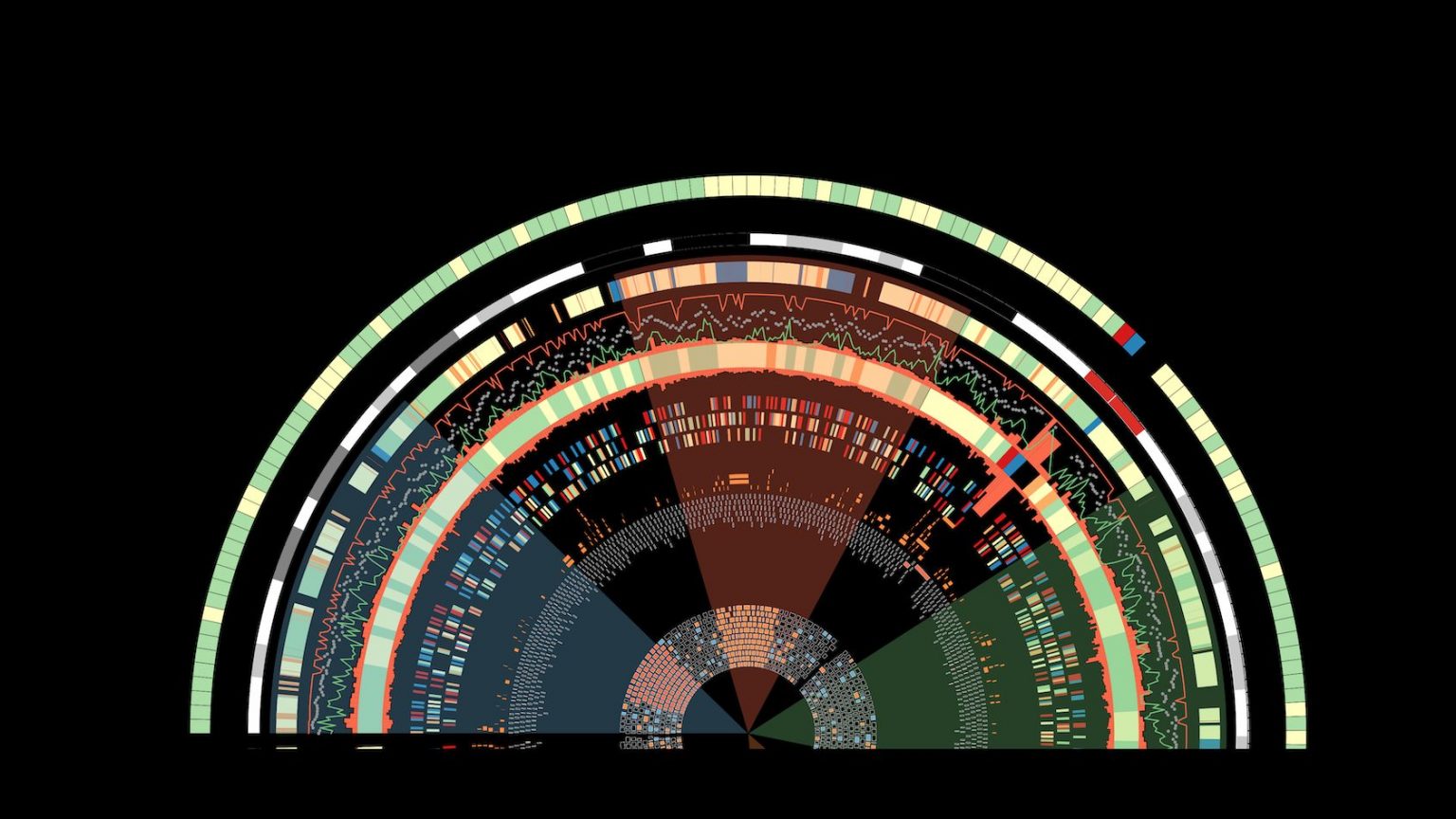
©EPFL, Deplancke's lab
The central research focus of the Laboratory of Systems Biology and Genetics (LSBG) is to understand genome organization, regulation, and variation and is broadly partitioned according to three major research pillars:
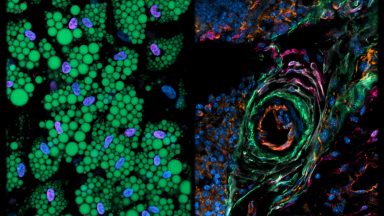
Adipo
In the “Adipo” pillar, we are characterizing the regulatory mechanisms driving mesenchymal stromal cell heterogeneity and function in adipose biology and other metabolically relevant processes.
Geno
In the “Geno” pillar, we are examining how variation in the regulatory code affects molecular and organismal diversity.
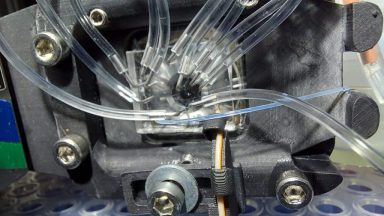
Techno
In the “Techo” pillar, we are developing novel microfluidic, high-throughput sequencing, single cell omic, and computational approaches, which are used to address biological questions in the other two pillars.
Latest news
15.10.2025
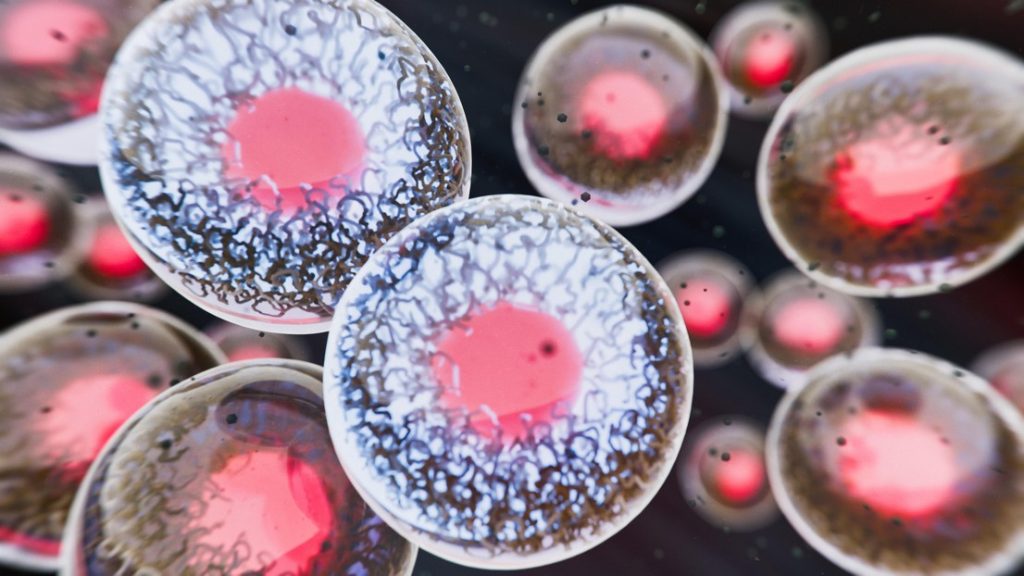
EPFL researchers led by Bart Deplancke uncover how transcription factor dosage reshapes cell identity, showing that even small differences in dose can steer cells toward completely different fates. Their findings reveal a new layer of control in cell reprogramming.
The team developed scTF-seq, a method to track how varying transcription factor levels influence single-cell behavior. They found that not just the factors themselves, but also their dosage and ratio, determine the outcome – a key insight for regenerative medicine and cell engineering.
-
Full article: Dissecting the impact of transcription factor dose on cell reprogramming heterogeneity using scTF-seq – Nature Genetics
- EPFL Press Release
03.08.2025
More than a century ago, Thomas Hunt Morgan demonstrated with Drosophila melanogaster that genes are carried on chromosomes, a discovery that earned him the 1933 Nobel Prize. Today, the fruit fly remains a cornerstone of genetics and biomedical research, as highlighted by Bart Deplancke in Le Temps.

09.10.2024
Researchers from Deplancke lab have uncovered a new class of transcription factors that play a crucial role in gene regulation, offering fresh perspectives on how cells maintain their identity and function.
- Full article: Context transcription factors establish cooperative environments and mediate enhancer communication in Nature Genetics.
- EPFL Press release
16.05.2024
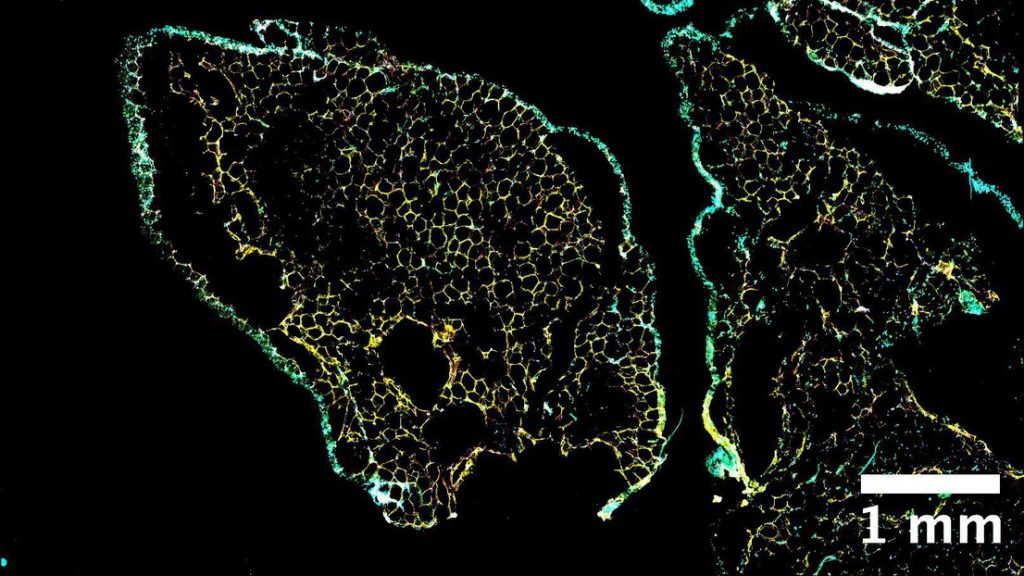
New cells discovered in human omental adipose tissue inhibit fat cell formation, revealing why ‘apple’ body shapes may pose higher metabolic health risks.
- Full article: A human omentum-specific mesothelial-like stromal population inhibits adipogenesis through IGFBP2 secretion in Cell Metabolism.
- EPFL Press release
- RTS Audio & Podcast in French: De nouvelles cellules adipeuses, des plantes “invasives” et la confiance en soi
- swissinfo.ch news in French: EPFL: une piste de l’obésité métaboliquement malsaine identifiée
04.07.2023
Prof. Bart Deplancke elected EMBO member!
The European Molecular Biology Organization (EMBO) has elected 69 new life scientists to membership, joining more than 1800 of the best researchers in Europe and the world. Among the new members is Professor Bart Deplancke at EPFL’s Institute of Bioengineering.

Our creations / innovations / inventions
Software
Our lab develops cutting-edge bioinformatics tools for analyzing genomic and transcriptomic data.
innovate4life
Innovate4Life supports the next generation of entrepreneurs through education, mentorship, and funding, to translate life sciences discoveries into technologies that benefit society.

Junior European Drosophilia Investigators (JEDI)
The JEDIs are early career scientists working on Drosophila melanogaster in Europe.
Contact
Office Number: SV 3823
Administration: Joanna Rusnok
Office Number: SV 3515